A small business usually finds out it has a security visibility problem after something goes wrong. A user account starts logging in at odd hours. A server throws repeated failed login alerts. Microsoft 365 activity looks unusual, but no one is watching closely enough to connect the dots. That is where the question of what is SIEM for small business becomes practical, not theoretical.
SIEM stands for Security Information and Event Management. In plain terms, it is a system that collects security data from across your environment, looks for suspicious patterns, and helps your team respond faster. For a small business, SIEM is not about building a security operations center that looks like a Fortune 500 command room. It is about improving visibility, reducing response time, and making sure important warnings do not get buried in separate tools and inboxes.
What is SIEM for small business really solving?
Most small businesses already have security tools. They may have antivirus, firewalls, email filtering, Microsoft 365 protections, and basic backup systems. The problem is that these tools often operate in isolation. One system logs a blocked login. Another flags unusual file activity. A third records a firewall event. Unless someone is reviewing all of that data together, it is easy to miss the bigger picture.
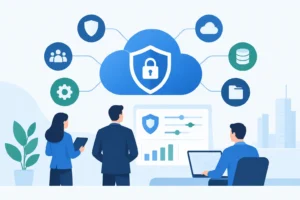
That is the core value of SIEM. It centralizes logs and events from different systems, then correlates them to identify behavior that may indicate a threat, policy violation, or system issue. Instead of checking five dashboards and hoping someone notices a pattern, you have a platform designed to surface meaningful alerts.
For a small business, this matters because attacks are rarely obvious at the start. Many incidents begin with small signals that look harmless on their own. A SIEM helps connect those signals before they become downtime, data loss, or a compliance problem.
How a SIEM works in a small business environment
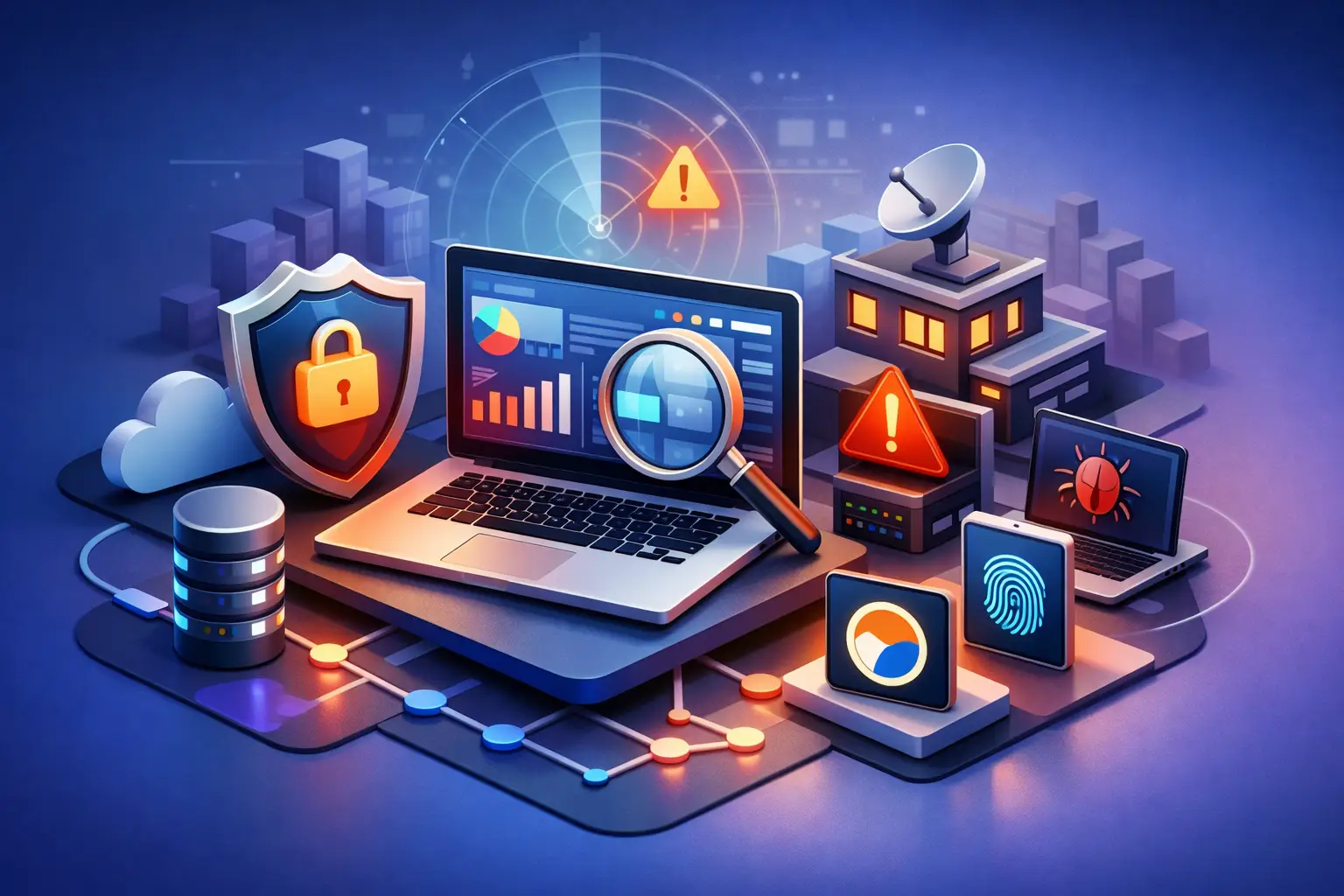
A SIEM platform ingests data from the technology your business already depends on. That usually includes firewalls, endpoints, servers, cloud applications, identity platforms, and networking equipment. It normalizes that data so events from different vendors can be reviewed in one place.
Once the data is collected, the SIEM applies rules, analytics, and threat intelligence to identify activity worth investigating. For example, it might flag repeated failed logins followed by a successful login from a new location. It might detect unusual privilege changes, suspicious PowerShell use, or a sudden spike in outbound traffic.
Good SIEM systems also support alerting, reporting, and investigation workflows. That means your internal IT team or managed security partner can review incidents faster, determine whether an alert is real, and take action before the issue spreads.
What kind of data goes into a SIEM?
The answer depends on the size and complexity of the business, but common sources include:
- Firewall and network device logs
- Endpoint detection and antivirus events
- Windows and server logs
- Microsoft 365 and cloud application activity
- VPN and remote access logs
- Identity and access management systems
- Email security tools
The goal is not to dump every possible log into a platform on day one. That can create noise and unnecessary cost. The right approach is to prioritize systems tied to real business risk, then expand visibility over time.
Why small businesses are adopting SIEM now
Small businesses are dealing with the same categories of threats as larger organizations, just with fewer internal resources. Phishing, credential theft, ransomware, business email compromise, and unauthorized access are no longer edge cases. They are daily realities.
At the same time, IT environments have become more distributed. Employees work remotely, data lives in multiple cloud platforms, and vendors access internal systems. That convenience improves operations, but it also creates more blind spots.
SIEM helps close those blind spots. It gives leadership and IT teams a clearer view of what is happening across the environment, especially when they do not have the staff to monitor everything manually. For regulated industries or companies facing insurance and audit requirements, SIEM can also support log retention, incident investigation, and reporting expectations.
SIEM is not just for large enterprises
This is one of the biggest misconceptions. Years ago, SIEM implementations were often expensive, complex, and heavily customized. That made them difficult for smaller organizations to justify.
That is changing. Cloud-based SIEM options, managed detection and response services, and co-managed security models have made enterprise-grade monitoring more accessible. A small business does not need a large in-house security team to benefit from centralized visibility. It needs the right scope, the right use cases, and the right support model.
The real benefits of SIEM for small business
The biggest benefit is earlier detection. If a compromised account is being used to access email, move laterally, or escalate privileges, a SIEM can identify that pattern faster than a person checking logs manually.
The second benefit is operational clarity. When security data is centralized, troubleshooting improves. Teams can trace events across systems instead of piecing together screenshots and scattered logs.
Third, SIEM supports stronger response. Alerts can trigger workflows, guide investigation, and provide evidence during an incident. That matters when time is limited and the cost of delay is high.
There is also a strategic benefit. Businesses that centralize security monitoring are better positioned to mature over time. They can refine alerting, improve policies, validate controls, and make smarter technology decisions based on actual events rather than assumptions.
Where SIEM can fall short
SIEM is valuable, but it is not magic. A poorly configured SIEM can create alert fatigue, flood teams with low-value data, and still miss meaningful threats. More logs do not automatically equal better protection.
This is why implementation matters. The platform needs the right data sources, sensible alert rules, clear escalation paths, and regular tuning. If no one is reviewing the alerts or maintaining the system, the investment loses value quickly.
Cost is another consideration. Some SIEM platforms charge based on data volume, which means aggressive log collection can become expensive. For a small business, it is better to start with critical systems and high-impact use cases rather than trying to monitor everything at once.
Does every small business need a SIEM?
Not necessarily. It depends on your risk profile, compliance obligations, internal resources, and technology footprint.
If your business has sensitive customer data, remote users, cloud applications, multiple locations, or industry compliance requirements, SIEM often makes sense sooner rather than later. If your environment is very small and simple, with limited exposure and strong protections already in place, other investments may deserve priority first, such as multifactor authentication, endpoint detection, backup validation, and security awareness training.
That said, many small businesses reach a point where security tools alone are not enough. When there is no clear way to monitor activity across systems, investigate incidents efficiently, or retain useful audit data, SIEM becomes a logical next step.
What small businesses should look for in a SIEM solution
The best SIEM for a small business is usually not the one with the longest feature list. It is the one that fits your environment, supports your risk priorities, and can be managed effectively.
Look for strong integration with the platforms you already use, especially Microsoft 365, endpoint protection, firewalls, and identity systems. Make sure reporting is practical, not just technical. Business leaders need clear visibility into incidents, trends, and compliance posture without reading raw logs.
You should also consider who will operate it. Some organizations have internal IT staff who can own the platform. Others are better served by a managed partner that handles monitoring, tuning, and incident escalation. For many growing companies, that hybrid model offers the best balance of coverage and cost.
What implementation usually looks like
A successful rollout starts with defining what the business needs to detect and why. That may include unauthorized logins, suspicious admin activity, unusual outbound traffic, or changes to critical systems.
From there, data sources are connected, retention policies are set, and alert rules are built around meaningful risks. Early tuning is important because the first version of any alerting system will need adjustment. Over time, the SIEM becomes more accurate and more useful as normal behavior is better understood.
For small businesses, this process should stay focused. The goal is not to create complexity. The goal is to give decision-makers and IT teams a dependable way to see threats sooner and respond with confidence.
A well-managed SIEM can be one of the clearest signs that a business is moving from reactive security to operational security. And for companies that cannot afford downtime, guesswork is rarely a good plan.